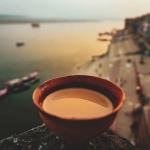
Varanasi is believed to be the city where time itself pauses, allowing people to connect with something eternal.
The Ancient Identity of Kashi
The name Kashi comes from the Sanskrit word meaning “the city of light.” According to Hindu scriptures, Kashi was founded by Lord Shiva himself, making it one of the holiest places in Hinduism. It is believed that anyone who dies in Kashi attains moksha—freedom from the cycle of birth and rebirth. This belief has shaped the spiritual fabric of the city for centuries and continues to draw millions of devotees each year.
A City Where Spirituality Is Part of Daily Life
In Varanasi, spirituality is not limited to temples or rituals—it is woven into everyday life. Morning begins with temple bells, the sound of conch shells, and chants echoing through narrow lanes. Locals start their day with a dip in the Ganga, offering prayers to the rising sun. Even a simple walk through the city feels meditative, as sacred shrines appear unexpectedly at street corners and inside homes.
The Sacred River Ganga: Lifeline of Varanasi
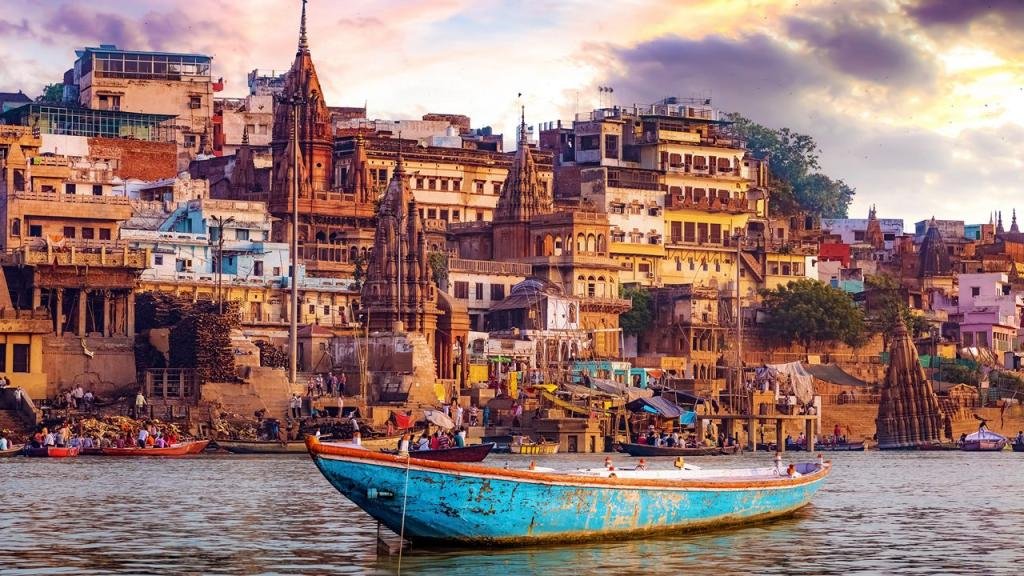
The River Ganga is the soul of Varanasi. More than just a river, she is worshipped as a living goddess. From sunrise to sunset, the ghats along the river witness countless rituals—bathing, prayers, yoga, meditation, and cremation ceremonies. The belief that the Ganga washes away sins makes Varanasi one of the most important pilgrimage destinations in India.
Ghats That Reflect Life and Liberation
The ghats of Varanasi are powerful symbols of life’s journey. Some ghats represent devotion and celebration, while others reflect the reality of death and liberation. Manikarnika Ghat, one of the oldest cremation grounds in the world, reminds visitors of life’s impermanence. Yet, instead of sadness, there is a sense of acceptance and peace, making Varanasi unique in how it views death—as a sacred transition rather than an end.
Kashi Vishwanath Temple: The Heart of the City
At the spiritual core of Varanasi stands the Kashi Vishwanath Temple, dedicated to Lord Shiva. It is one of the twelve Jyotirlingas and holds immense significance for devotees. Pilgrims believe that a visit to this temple brings spiritual awakening and divine blessings. The temple complex buzzes with energy, faith, and devotion throughout the year.
A Meeting Point of Religions and Philosophies
Though primarily a Hindu pilgrimage site, Varanasi has also been a center for Buddhism, Jainism, and Indian philosophy. Nearby Sarnath, where Lord Buddha delivered his first sermon, adds another spiritual dimension to the region. Over centuries, scholars have come to Varanasi to study the Vedas, Upanishads, music, astrology, and Sanskrit, making it a hub of learning and wisdom.
Music, Art, and Spiritual Expression
Varanasi is also the birthplace of Indian classical music traditions. Renowned musicians like Pandit Ravi Shankar and Ustad Bismillah Khan were deeply influenced by the city’s spiritual atmosphere. Here, music is considered a form of devotion, and art becomes a medium to connect with the divine.
Why Varanasi Feels Different From Any Other City
What truly sets Varanasi apart is its raw authenticity. Life and death coexist openly, spirituality blends seamlessly with daily routines, and ancient traditions survive in a modern world. The city doesn’t try to impress—it simply exists, inviting visitors to reflect, surrender, and discover deeper meanings of life.
A Journey That Changes You
Exploring Varanasi is not just about sightseeing; it is an inner journey. Whether you are watching the Ganga Aarti, walking through centuries-old lanes, or sitting silently by the river, Varanasi has a way of touching your soul. This is why Kashi is not just called the spiritual capital of India—it truly feels like it.