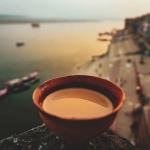
Visiting the ghats of Varanasi is essential to truly understand why the city is considered timeless and spiritually powerful.
Dashashwamedh Ghat: The Most Vibrant Ghat of Varanasi
Dashashwamedh Ghat is the most famous and lively ghat in Varanasi. Located near the Kashi Vishwanath Temple, this ghat is believed to have been created by Lord Brahma, who performed ten horse sacrifices (Dash Ashwamedh).
Every evening, this ghat becomes the center of attraction during the grand Ganga Aarti, where priests perform synchronized rituals with lamps, incense, bells, and Vedic chants. Thousands of devotees and tourists gather here daily, making it a must-visit ghat for anyone coming to Banaras.
Assi Ghat: Where Spirituality Meets Peace
Assi Ghat is one of the southernmost ghats and is especially popular among locals, students, and foreign travelers. It offers a calm and peaceful environment compared to other crowded ghats.
Early mornings at Assi Ghat are magical—yoga sessions, meditation, classical music, and sunrise views create a serene atmosphere. This ghat is ideal for those seeking quiet reflection and spiritual connection by the Ganga.
Manikarnika Ghat: The Ghat of Liberation
Manikarnika Ghat is one of the oldest and most sacred cremation ghats in the world. According to Hindu belief, those cremated here attain moksha (freedom from the cycle of rebirth).
Despite being associated with death, the ghat carries a deep sense of peace and acceptance. The eternal funeral flames burning here symbolize the truth of life’s impermanence. Visiting Manikarnika Ghat offers a profound spiritual experience that changes how one perceives life and death.
Harishchandra Ghat: Truth and Salvation
Harishchandra Ghat is another important cremation ghat, named after the legendary King Harishchandra, who is remembered for his unwavering commitment to truth.
Less crowded than Manikarnika, this ghat is significant for those seeking a quieter and more reflective atmosphere. It reinforces the philosophy that truth and righteousness ultimately lead to liberation.
Panchganga Ghat: A Confluence of Sacred Rivers
Panchganga Ghat is believed to be the meeting point of five sacred rivers—Ganga, Yamuna, Saraswati, Kirana, and Dhutpapa (most now flowing underground).
This ghat has great religious importance and is associated with saints and scholars. The historic Alamgir Mosque nearby adds architectural and cultural significance, making Panchganga Ghat a blend of spirituality and history.
Tulsi Ghat: Literature, Culture, and Devotion
Tulsi Ghat is named after the great poet-saint Goswami Tulsidas, who wrote the Ramcharitmanas.
This ghat reflects the literary and cultural side of Varanasi. It often hosts cultural performances, storytelling sessions, and devotional gatherings. Tulsi Ghat connects visitors to the artistic and intellectual heritage of Banaras.
Raj Ghat: A Quiet Historical Landmark
Located near the northern edge of the ghats, Raj Ghat is historically significant as it marks the ancient boundary of Varanasi.
Less touristy and more peaceful, this ghat offers a calm environment and beautiful river views. It is ideal for travelers who wish to explore lesser-known yet meaningful places.
Scindia Ghat: A Tilted Architectural Wonder
Scindia Ghat is known for its partially submerged Shiva temple, which tilts toward the river due to structural shifts over time.
The sight of the leaning temple, with priests still offering prayers, symbolizes the resilience of faith. This ghat is a fascinating blend of devotion and architectural curiosity.
Best Way to Experience the Ghats of Varanasi
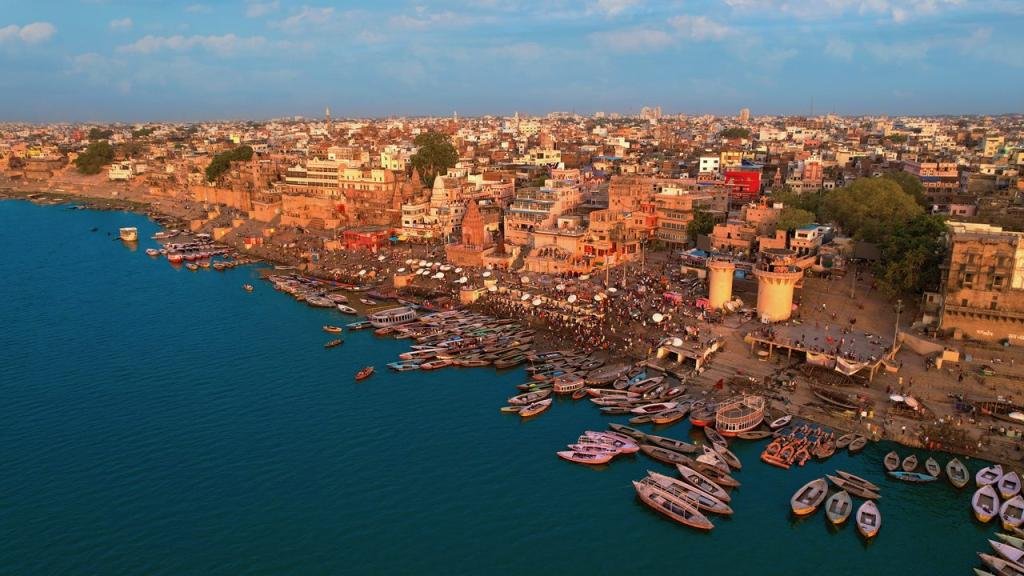
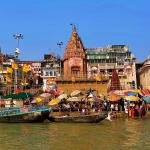
The most magical way to explore the ghats is through a sunrise or sunset boat ride. From the water, the ghats reveal their true beauty—priests performing rituals, devotees offering prayers, and life unfolding naturally along the riverbanks.
Walking along the ghats in the early morning or evening allows visitors to witness authentic Banaras life, from sadhus meditating to locals sharing tea and conversations.
Why the Ghats of Varanasi Are Truly Unforgettable
Each ghat in Varanasi tells a story—of devotion, culture, history, life, and liberation. Together, they create a spiritual landscape that exists nowhere else in the world.
The ghats are not monuments to be observed from a distance; they are experiences to be felt deeply. Whether you come seeking faith, peace, or understanding, the ghats of Varanasi leave an everlasting impression on your soul.